Service
Tarmac Driveways
Tarmac is a smooth, hard-wearing driveway surface made from aggregate bound with bitumen, laid hot and compacted over a prepared sub-base. It's one of the most established driveway surfaces in Ireland, valued for its uniform finish and comparatively quick installation.
Connacht Driveway Experts installs tarmac driveways across County Mayo, County Galway, County Roscommon and County Clare, building the sub-base to suit each property's ground conditions and expected use.
What Is Tarmac Driveways?
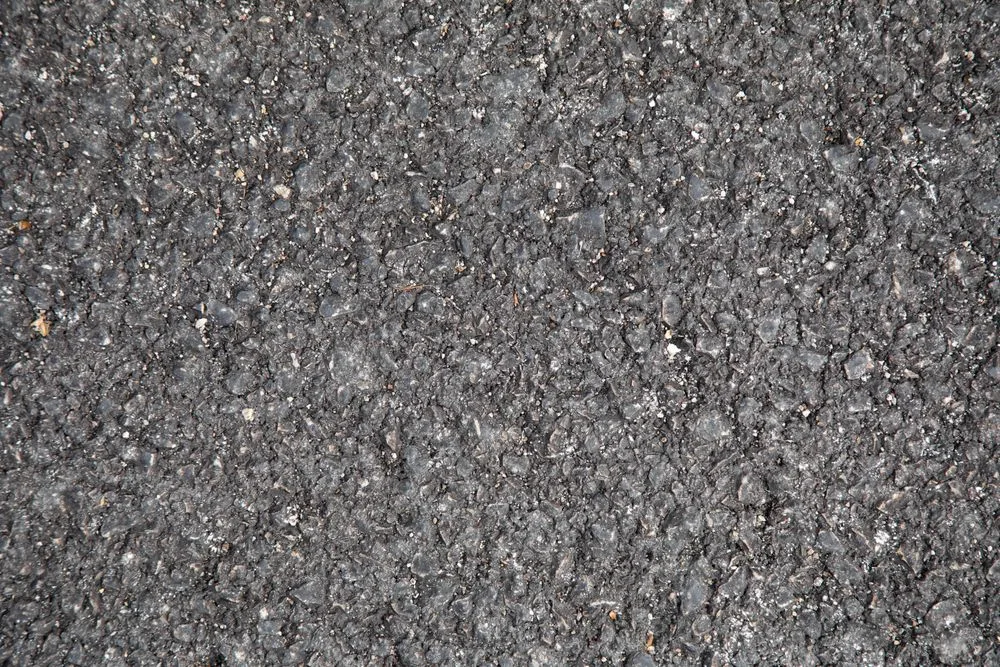
"Tarmac" is the everyday term used in Ireland and the UK for modern asphalt, or bitmac, surfacing: aggregate bound together with bitumen and laid hot in one or more compacted layers. True tar-bound macadam, which the name originally referred to, is rarely used today, but the term has stuck for this type of bituminous surfacing.
A tarmac driveway is typically built up in layers, often a binder course followed by a surface course, each compacted while still warm to achieve a dense, durable finish.
Where Tarmac Driveways Is Commonly Suitable
Tarmac suits driveways of most sizes where a smooth, dark, uniform surface and a comparatively fast installation are priorities. It's a well-understood, widely used material for driveways on both traditional and modern properties, and for larger areas such as long entrances or wider parking areas.
Appearance and Finish Options
Tarmac has fewer decorative options than some other surfaces, but its clean, uniform finish suits a wide range of properties, particularly when combined with contrasting edging.
- Smooth, dark grey to black finish as standard
- Edging in block paving or kerbing for a defined, contrasting border
- A lightly textured or chip-dressed finish is available as a variant in some cases, and can be discussed if wanted
Advantages
- Comparatively fast installation, particularly on larger areas
- Smooth, uniform, jointless appearance
- Generally can be opened to light use sooner than some other bound surfaces once properly cooled
- A well-established, widely used material for Irish driveways
Limitations and Considerations
- Can soften slightly in unusually hot weather
- Point loads, such as stands or heavy static weights, can leave impressions in freshly laid tarmac before it has fully hardened
- Weeds can appear at edges or joints with adjoining paving over time if not maintained
- Colour choice is mostly limited to black or dark grey, offering fewer decorative options than block paving, resin or stamped concrete
Ground Preparation and Sub-Base
- Excavation to formation level, with sub-base depth and specification matched to ground conditions and expected traffic
- A compacted sub-base, typically followed by a binder course and then a surface course
- Edge restraints, such as kerbing or paving, to contain the tarmac and support its edges
Drainage Considerations
Standard tarmac is an impermeable surface, so it's laid to falls that direct surface water to a suitable drainage point. Permeable or porous asphalt systems do exist, but they're a distinct specification from standard dense tarmac and would need to be discussed and designed separately if that's a requirement for your property.
Typical Installation Process
- 01
Excavate and prepare sub-base
The area is excavated and a compacted sub-base laid to suit the ground and expected use.
- 02
Lay binder course
A binder course is laid and compacted to build up the required construction depth.
- 03
Lay surface course
The surface course is laid hot and rolled while warm to achieve a dense, durable finish.
- 04
Finish edges and cool
Edges are finished against kerbing or paving, and the surface is left to cool before use.
Maintenance
- Periodic sweeping to keep the surface clear of debris
- Prompt attention to any pooling water or edge damage
- Occasional sealing or resurfacing is a normal part of maintaining tarmac over its life
Repair Considerations
- Small areas of damage, such as potholing or edge breakup, can generally be cut out and patched
- A patch can be visible in colour and texture against older, weathered tarmac, which is worth being aware of
Factors Affecting Price
We don’t publish fixed prices, since every property and project is different. The factors below generally influence a quotation.
- Total area to be surfaced
- Construction depth and specification required for the ground and expected use
- Ground conditions and any existing surface removal needed
- Site access for machinery and material delivery
- Any kerbing or edging included in the project
Comparing Tarmac Driveways With Other Surfaces
Tarmac vs resin driveways
Tarmac is typically quicker and more cost-effective to lay over a large area, while resin offers more colour and finish choice and can be laid as a permeable surface.
Tarmac vs block paving
Tarmac gives a smooth, uniform surface installed comparatively quickly, while block paving offers pattern and colour variety along with easier localised repair.
See the full driveway surfaces guide to compare every option side by side.
Counties Served
Tarmac driveways are installed across County Mayo, County Galway, County Roscommon and County Clare, with construction depth adapted to ground conditions on each site.
Tarmac Driveways FAQs
Is tarmac the same as asphalt?
Yes, in everyday use. "Tarmac" is the common Irish and UK term for modern asphalt or bitmac surfacing, even though true tar-bound macadam is rarely used today.
How soon can a new tarmac driveway be used?
This depends on the weather and the specification used. Tarmac generally needs to cool and harden sufficiently before regular vehicle use, and timing for your project will be confirmed as part of your quotation.
Does tarmac need sealing?
It's not essential, though periodic sealing or resurfacing can be part of a general maintenance approach over the driveway's life. This can be discussed as part of your project.
Can tarmac be laid over my existing driveway?
This depends on the condition of the existing surface. A sound, stable existing surface can sometimes be built on, but this needs to be assessed rather than assumed.
Ready to talk about tarmac driveways?
Tell us about your property and we'll help you work out the right surface for it.
Related Services
Block Paving
Individual concrete or clay paving blocks laid in a pattern over a compacted sub-base, giving a hard-wearing driveway that can be lifted and relaid in sections if ever needed.
Concrete Driveways
A poured, in-situ concrete surface finished plain, brushed, exposed-aggregate or patterned, giving a durable and largely jointless driveway.
Chip and Stone Driveways
A bound or self-binding decorative stone surface, built on a proper sub-base and edge restraints, for a natural finish suited to rural and period properties.