Service
Chip and Stone Driveways
A chip and stone driveway is a decorative loose or bonded stone surface, built on a proper compacted sub-base and contained by edge restraints, giving a natural, informal finish. It's a different thing from simply tipping loose gravel onto bare ground, which lacks the sub-base and edging that keep a driveway stable and even over time.
Connacht Driveway Experts installs chip and stone driveways across County Mayo, County Galway, County Roscommon and County Clare, with the construction suited to the property and how the driveway will be used.
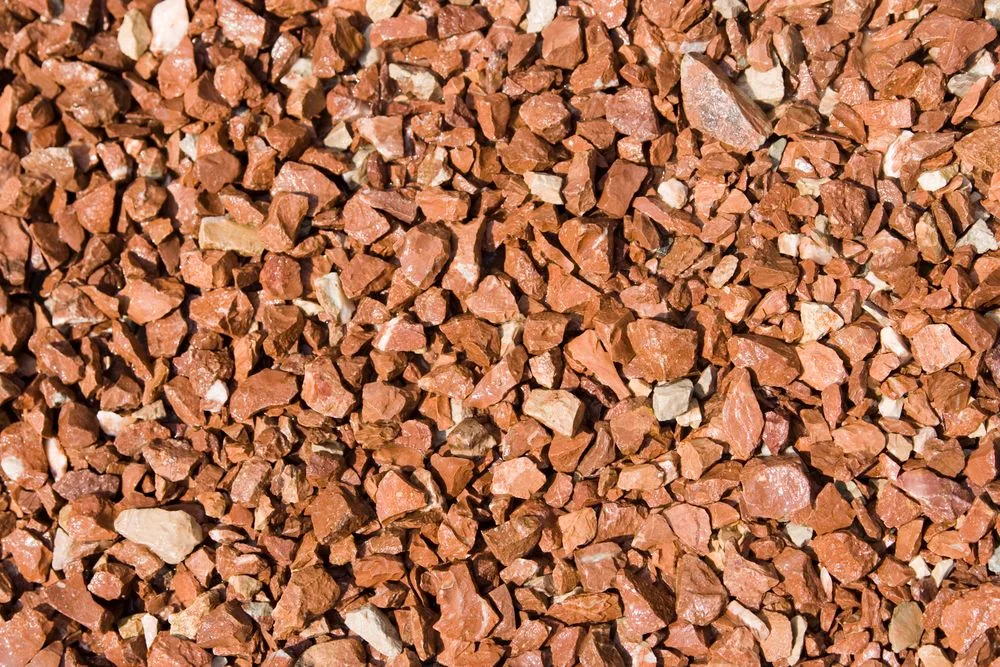
What Is Chip and Stone Driveways?
Chip and stone driveways generally fall into a few types: loose self-binding gravel, which uses a graded stone that locks together as it compacts; and resin-bonded chippings, where stone is scattered onto a layer of resin so it's bonded at the base but left loose and textured on top. Both are built over a compacted sub-base with a membrane and edge restraints, which is what distinguishes a properly constructed chip and stone driveway from loose gravel simply spread over soil.
Loose gravel without a sub-base tends to migrate, rut under vehicle wheels, and sink into the ground beneath it over time, since there's nothing holding it in place or spreading the load.
Where Chip and Stone Driveways Is Commonly Suitable
Chip and stone suits traditional and period properties, rural settings, and driveways where a natural stone aesthetic is preferred over a bound, uniform surface. It also suits properties where a permeable, informal finish fits the setting better than block paving, resin, tarmac or concrete.
Appearance and Finish Options
Chip and stone driveways are available in a range of natural stone colours and sizes, giving a texture and appearance that other driveway surfaces can't easily replicate.
- Golden or buff gravel tones
- Granite chippings in grey tones
- Limestone chippings in paler, cooler tones
- Different chip sizes, from fine gravel to larger decorative stone
Advantages
- Naturally permeable, allowing water to soak through into the ground
- Informal, natural appearance suited to rural and period properties
- Comparatively straightforward to top up or reinstate compared with bound surfaces
- Can be a cost-effective option depending on the specification chosen
Limitations and Considerations
- Loose chippings can migrate onto footpaths or lawns, particularly at turning points, without proper edge restraints
- Less comfortable underfoot than a bound surface for wheelchairs, prams or narrow heels
- Requires edge restraints to stop the stone spreading over time
- Occasional topping up and raking is needed to maintain an even depth
- Snow clearing can be more difficult on a loose surface than on a bound one
Ground Preparation and Sub-Base
- Excavation to formation level
- A compacted sub-base suited to the ground conditions and expected use
- A permeable geotextile membrane, to reduce weed growth and stop stone being lost into the ground beneath
- Edge restraints, such as timber, metal or masonry, to contain the chippings
- The chip or stone layer spread to a specified depth and compacted or rolled where the system requires it
Drainage Considerations
Chip and stone driveways are naturally permeable, allowing water to soak through the loose or self-binding surface into the ground and sub-base beneath, rather than running off to a single point. This can be a genuine advantage where managing surface water is a priority, though it depends on suitable underlying ground conditions.
Typical Installation Process
- 01
Excavate and prepare sub-base
The area is excavated and a compacted sub-base installed.
- 02
Install membrane and edging
A permeable membrane is laid, and edge restraints are installed to contain the stone.
- 03
Spread chip or stone
The chosen stone is spread to the specified depth across the prepared base.
- 04
Compact or settle
Self-binding or resin-bonded systems are compacted or rolled; loose systems are lightly settled.
Maintenance
- Raking periodically to redistribute stone evenly across the surface
- Topping up lost or displaced material as needed
- Treating weed growth where it appears
- Keeping edge restraints in good repair, since they do most of the work of keeping the stone contained
Repair Considerations
- Chip and stone driveways are generally straightforward to top up or locally reinstate, since new stone can usually be blended in with the existing surface without a visible patch
Factors Affecting Price
We don’t publish fixed prices, since every property and project is different. The factors below generally influence a quotation.
- Total area to be surfaced
- Stone type, colour and size chosen
- Whether a loose, self-binding or resin-bonded system is chosen
- Edging type and extent
- Sub-base and membrane requirements for the ground conditions
Comparing Chip and Stone Driveways With Other Surfaces
Chip and stone vs resin driveways
Chip and stone gives a looser, more natural texture and can be more budget-flexible, while resin gives a smooth, bound, trowelled surface that's easier underfoot and generally needs less topping up.
Chip and stone vs block paving
Chip and stone suits informal or rural properties with a natural aesthetic, while block paving suits a more structured, formal driveway with a defined pattern.
See the full driveway surfaces guide to compare every option side by side.
Counties Served
Chip and stone driveways are installed across County Mayo, County Galway, County Roscommon and County Clare, and suit many of the rural and period properties found throughout the region.
Chip and Stone Driveways FAQs
Will the stones spread onto the lawn or footpath?
Proper edge restraints, and a bonded system where appropriate, significantly reduce this. Some minor migration of loose chip is normal over time, particularly at turning points, and occasional raking and topping up keeps the surface even.
Is a chip and stone driveway the same as just spreading gravel?
No. A properly constructed chip and stone driveway includes a compacted sub-base, a permeable membrane and edge restraints, none of which loose gravel tipped straight onto bare ground has. That's what keeps the surface stable, even and free-draining over time.
Can a chip and stone driveway take regular car use?
A correctly constructed sub-base is designed around the expected use of the driveway. Let us know how the driveway will be used so this can be factored into the design.
Ready to talk about chip and stone driveways?
Tell us about your property and we'll help you work out the right surface for it.
Related Services
Resin Driveways
A smooth, seamless stone and resin surface trowelled over a prepared sub-base, giving a contemporary finish with a wide choice of aggregate colours.
Tarmac Driveways
A smooth asphalt surface laid hot and compacted over a compacted sub-base, a well-established and comparatively quick option for driveways of most sizes.
Patios
Outdoor paved living space built to suit your garden and home, in block paving, porcelain, concrete or a combination, with levels and drainage planned around the house.