Service
Block Paving Driveways
Block paving is a driveway surface built from individual concrete or clay paving units, laid over a compacted sub-base in a chosen pattern and finished with sand-filled joints. Because it's built from separate units rather than one continuous surface, it offers a wide choice of colours and patterns and can be lifted and relaid in sections if ever needed.
Connacht Driveway Experts installs block paving driveways across County Mayo, County Galway, County Roscommon and County Clare, working with the layout, access and drainage of each property to plan the right construction.
What Is Block Paving?
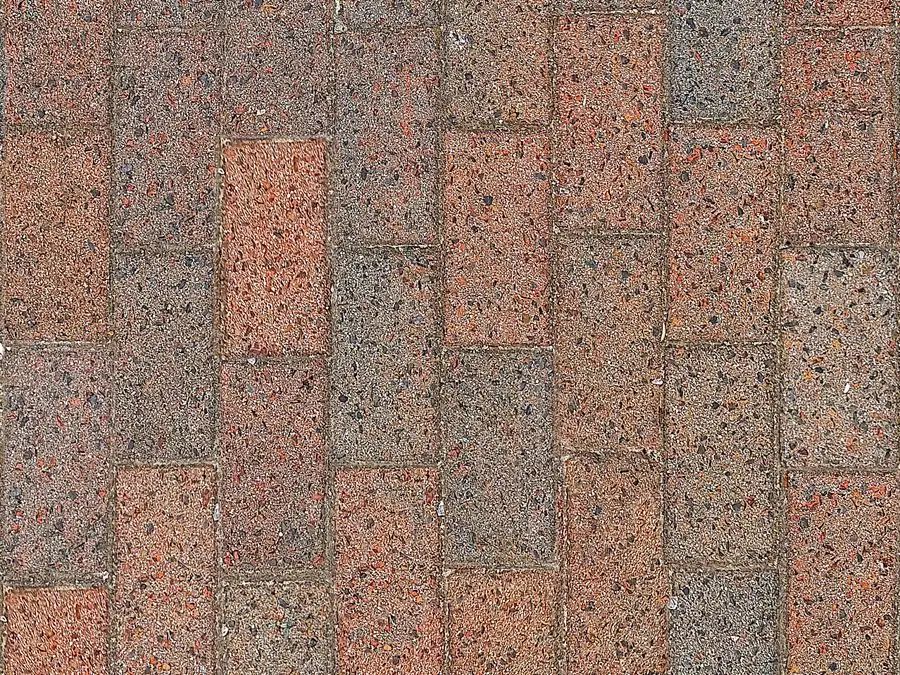
Block paving uses individual precast concrete or clay paving blocks, typically laid on a bed of sharp sand over a compacted granular sub-base. The blocks are laid tightly together in a pattern, then a plate compactor is used to bed them in before kiln-dried sand is brushed into the joints and settled with a further pass of compaction.
This is different from poured concrete, which forms one continuous slab, and different from porcelain paving, which uses larger-format vitrified slabs rather than smaller interlocking units.
Where Block Paving Is Commonly Suitable
Block paving suits driveways, parking areas and courtyards where a patterned, characterful finish is preferred over a plain uniform surface. It's a common choice for both period and modern properties, since the block format, colour and laying pattern can be varied to suit the house.
It also suits situations where future access to underground services might be needed, since a section of blocks can be lifted and reinstated rather than breaking out a continuous surface.
Appearance and Finish Options
Block paving is available in a wide range of colours, shapes and sizes, and the laying pattern has a significant effect on the finished look.
- Herringbone pattern, generally considered the strongest layout for vehicular areas because interlocking blocks resist movement under wheel loads
- Stretcher bond or basketweave patterns, giving a more linear or woven appearance
- Contrasting border or soldier-course edging in a different colour or block size
- Mixed block sizes or colour blends for a less uniform, more textured finish
Advantages
- Wide choice of colours, shapes and laying patterns to suit the property
- Individual blocks can be lifted and relaid, useful for utility access or isolated repairs
- A well-built block paving driveway is robust under normal vehicle loads
- Permeable block paving systems are available where a permeable surface is wanted
Limitations and Considerations
- Jointing sand can need topping up over time as it settles or is washed out
- Weeds or moss can establish in the joints if the driveway isn't kept swept and maintained
- Lighter-coloured blocks can show oil staining or uneven fading more readily than darker finishes
- Installation is generally more labour-intensive than tarmac, so it can take longer on site
Ground Preparation and Sub-Base
- Excavation down to the required formation level, allowing for the sub-base, laying course and block depth
- A compacted granular sub-base, with the depth and specification suited to the ground conditions and expected traffic
- A geotextile membrane where the underlying ground is soft or variable
- Edge restraints bedded in concrete along the perimeter, to stop the blocks spreading under load
Drainage Considerations
Standard block paving is laid to a gentle fall so surface water runs to a drainage point such as a gully, channel drain or existing drainage system.
Permeable block paving systems use open-jointed blocks over a permeable sub-base, allowing water to soak through the surface rather than run off. Whether this is appropriate for your property depends on the ground conditions and what you're trying to achieve with surface water, and it's worth discussing directly.
Typical Installation Process
- 01
Excavate and set levels
The area is excavated to formation level and levels are set to achieve the correct falls.
- 02
Install sub-base and edge restraints
A compacted sub-base is laid, and edge restraints are bedded in to contain the blocks.
- 03
Lay blocks to pattern
Blocks are laid on a sand bed to the chosen pattern, with cut blocks fitted at edges and features.
- 04
Compact and joint
The surface is compacted, and kiln-dried jointing sand is brushed in and settled.
Maintenance
- Regular sweeping to keep debris out of the joints
- Occasional jet-washing to lift grime, followed by re-sanding of any joints that have lost material
- Treating weed or moss growth as it appears, rather than letting it establish
Repair Considerations
- A genuine advantage of block paving is that individual blocks or small sections can usually be lifted and replaced without disturbing the rest of the driveway
- This makes it well suited to situations where access to a pipe or cable beneath the driveway might be needed in future
Factors Affecting Price
We don’t publish fixed prices, since every property and project is different. The factors below generally influence a quotation.
- Total area to be paved
- Block product chosen, including material, size and format
- Complexity of the laying pattern and any border or edging detail
- Ground conditions, including excavation and disposal of existing material
- Site access for machinery and material deliveries
Comparing Block Paving With Other Surfaces
Block paving vs concrete driveways
Block paving offers far more pattern and colour flexibility, plus easier localised repair, while a poured concrete driveway gives a more uniform, jointless surface with fewer joints to maintain over time.
Block paving vs tarmac driveways
Block paving has a more decorative, textured appearance and can be laid to a pattern, while tarmac gives a smooth, uniform surface that's generally quicker to install.
See the full driveway surfaces guide to compare every option side by side.
Counties Served
Block paving driveways are installed across County Mayo, County Galway, County Roscommon and County Clare, with ground preparation adapted to the conditions on each property.
Block Paving FAQs
Does block paving need to be sealed?
Sealing is optional and depends on the product and finish you prefer. It isn't essential for the driveway to perform well, but some homeowners choose it to help protect colour. This can be discussed as part of your project.
Will weeds grow in the joints?
It's possible over time if the joints aren't kept maintained, since sand-filled joints can allow seeds to establish. Regular sweeping and occasional joint sand top-ups reduce this considerably.
Can block paving take the weight of a car or larger vehicle?
A correctly designed sub-base is built around the expected use of the driveway, including vehicle weight. Let us know what the driveway needs to accommodate so this can be factored into the design.
Can block paving be laid over my existing driveway?
This depends on the condition and type of the existing surface. In many cases the existing surface and sub-base need to be assessed first, since block paving needs a proper compacted sub-base beneath it.
Ready to talk about block paving?
Tell us about your property and we'll help you work out the right surface for it.
Related Services
Resin Driveways
A smooth, seamless stone and resin surface trowelled over a prepared sub-base, giving a contemporary finish with a wide choice of aggregate colours.
Concrete Driveways
A poured, in-situ concrete surface finished plain, brushed, exposed-aggregate or patterned, giving a durable and largely jointless driveway.
Patios
Outdoor paved living space built to suit your garden and home, in block paving, porcelain, concrete or a combination, with levels and drainage planned around the house.