Service
Porcelain Paving
Porcelain paving is a dense, low-porosity outdoor paving material, manufactured at very high temperatures to give strong resistance to staining, frost and fading. It's most widely used for patios, paths and outdoor living areas, giving a clean, contemporary appearance with minimal joints.
Connacht Driveway Experts installs porcelain paving across County Mayo, County Galway, County Roscommon and County Clare, mainly for patios and outdoor living spaces.
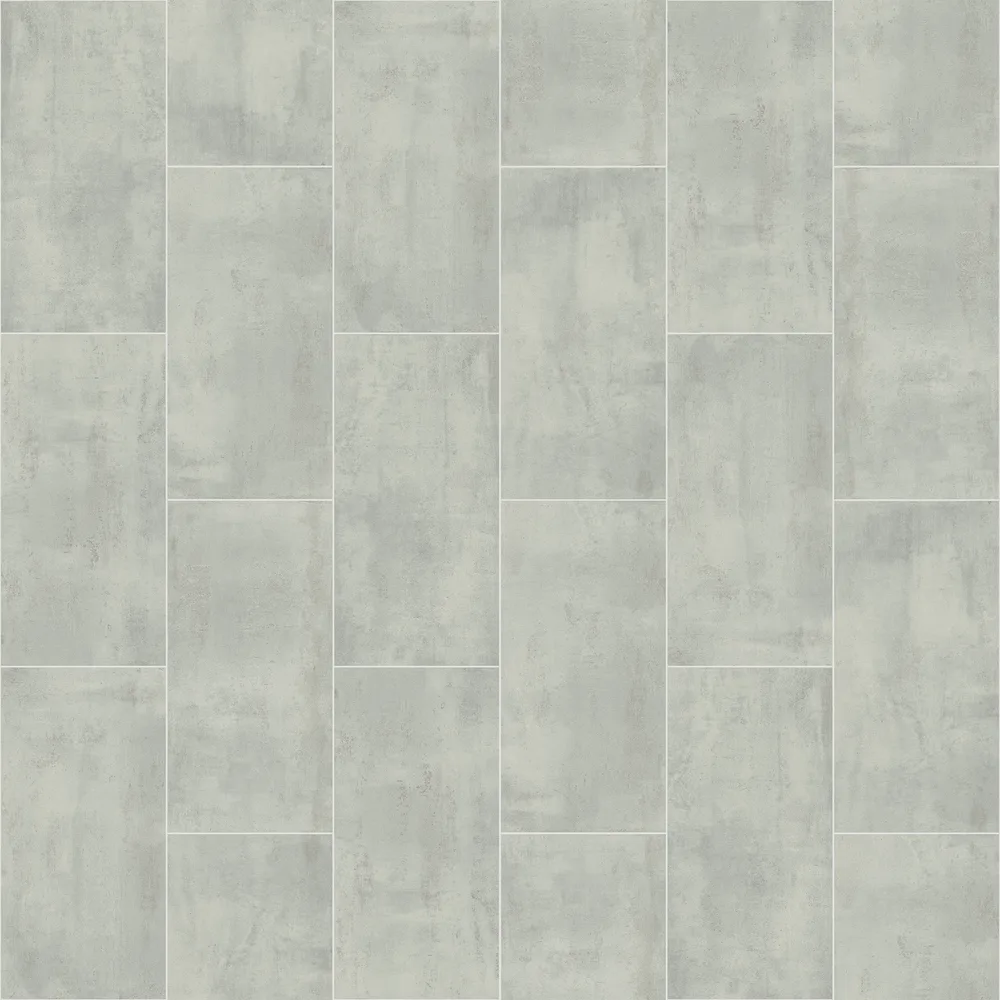
What Is Porcelain Paving?
Porcelain paving is a vitrified ceramic product, fired at very high temperatures to produce an extremely dense slab with very low water absorption. This is different from standard ceramic tiles, which are typically manufactured for indoor use or lighter-duty conditions and aren't designed for the same freeze-thaw exposure or foot traffic as outdoor porcelain paving.
Slabs are manufactured in large formats and a wide range of finishes, and are laid with narrow, consistent joints for a clean, minimal appearance.
Where Porcelain Paving Is Commonly Suitable
Porcelain paving is primarily used for patios, garden paths, pool surrounds and outdoor living or entertaining areas. For driveway or other vehicular applications, the specific product's thickness and manufacturer load rating need to be confirmed, since not every porcelain paving product is rated for vehicle traffic. This is a point we'd confirm with you directly if a driveway application is being considered.
Appearance and Finish Options
Porcelain paving is manufactured in a wide range of contemporary finishes, and its consistent colour and texture give a very clean, uniform appearance.
- Natural stone-look finishes
- Timber-look finishes
- Polished concrete-look finishes
- Plain contemporary tones in large-format slabs
Advantages
- Very low water absorption, contributing to strong frost resistance
- Resists staining well compared with more porous paving materials
- Consistent, UV-stable colour that doesn't fade the way some materials can
- Hard-wearing surface with a wide range of contemporary finishes available
Limitations and Considerations
- Requires accurate levels and a suitable bedding system, since large rigid slabs are unforgiving of an uneven sub-base
- Installation is more specialist than some other paving types and needs to be carried out correctly
- Can be a higher-cost option depending on the product chosen
- Not all products are rated for vehicular loads, so this must be confirmed for any driveway application
- Slip resistance depends on the specific finish, so the right product needs to be chosen for a wet outdoor area
Ground Preparation and Sub-Base
- A compacted sub-base appropriate to the intended use of the paved area
- An appropriate bedding method for the product, which may be a full mortar bed on a suitable base or a mechanically fixed system, depending on the manufacturer's specification
- Levels and falls set out accurately before laying begins, since the rigid, large-format slabs don't accommodate an uneven base the way smaller units can
Drainage Considerations
Porcelain paving itself is not permeable, so falls need to be built into the sub-base and bedding layer to direct surface water to a suitable drainage point. Joint width and the pointing method used can also affect how water is managed at the surface, which is considered as part of the design.
Typical Installation Process
- 01
Prepare sub-base
The area is excavated and a compacted sub-base suited to the product is installed.
- 02
Set out levels and falls
Levels and falls are set out accurately before any slabs are laid.
- 03
Lay slabs
Porcelain slabs are laid to the bedding method specified, with consistent joint widths.
- 04
Point and finish
Joints are pointed and the finished area is cleaned down.
Maintenance
- Generally low-maintenance due to the material's low porosity
- Periodic sweeping and washing to keep the surface clear
- Avoiding abrasive cleaning methods that could dull a textured finish over time
Repair Considerations
- An individual slab can potentially be lifted and replaced if damaged, though colour matching to weathered surrounding slabs and some disturbance to adjoining joints should be expected
Factors Affecting Price
We don’t publish fixed prices, since every property and project is different. The factors below generally influence a quotation.
- Total area to be paved
- Slab size, format and finish chosen
- Bedding and installation method required for the product
- Ground conditions and levels relative to the house
- Site access
Comparing Porcelain Paving With Other Surfaces
Porcelain vs block paving
Porcelain gives a more contemporary, minimal-joint appearance with very low porosity, while block paving offers more pattern variety and is more established for driveway and vehicular applications.
Porcelain vs concrete
Porcelain offers a wider range of premium, consistent contemporary finishes, while poured concrete can be a more cost-effective option for larger areas.
See the full driveway surfaces guide to compare every option side by side.
Counties Served
Porcelain paving is installed across County Mayo, County Galway, County Roscommon and County Clare, mainly for patios and outdoor living areas.
Porcelain Paving FAQs
Can porcelain paving be used on a driveway?
It depends on the specific product's thickness and manufacturer load rating, which needs to be confirmed for your project. Porcelain paving is most commonly used for patios and outdoor living areas rather than full vehicular driveways.
Is porcelain paving slippery when wet?
Slip resistance depends on the finish chosen. An outdoor-rated, slip-resistant finish should be selected for the specific location, particularly around pools or shaded areas that stay damp.
Is porcelain paving the same as ceramic tile?
No. Porcelain paving is a denser, more heavily fired product engineered specifically for outdoor durability and frost resistance, distinct from standard ceramic tiles designed for indoor or lighter-duty use.
Ready to talk about porcelain paving?
Tell us about your property and we'll help you work out the right surface for it.
Related Services
Block Paving
Individual concrete or clay paving blocks laid in a pattern over a compacted sub-base, giving a hard-wearing driveway that can be lifted and relaid in sections if ever needed.
Resin Driveways
A smooth, seamless stone and resin surface trowelled over a prepared sub-base, giving a contemporary finish with a wide choice of aggregate colours.
Patios
Outdoor paved living space built to suit your garden and home, in block paving, porcelain, concrete or a combination, with levels and drainage planned around the house.