Service
Resin Driveways
A resin driveway gives a smooth, seamless surface made from natural stone aggregate mixed with a clear resin binder, trowelled over a prepared sub-base. Because the surface has no sand-filled joints, it has a contemporary, uniform appearance that suits both modern and renovated properties.
Connacht Driveway Experts installs resin driveways across County Mayo, County Galway, County Roscommon and County Clare, with the sub-base and edging built to suit each property.
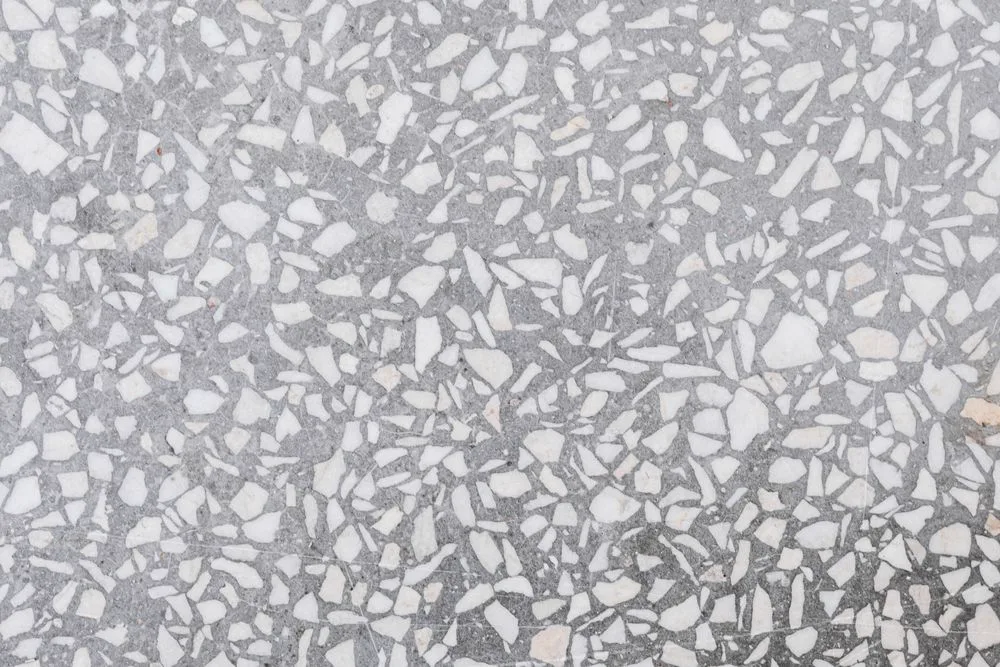
What Is Resin Driveways?
There are two distinct resin surfacing methods, and it's worth understanding the difference. Resin-bound surfacing mixes the aggregate thoroughly with resin before it's trowel-applied, so every stone is fully coated. This produces a smooth, level, walkable and driveable surface, and when laid over a suitable permeable sub-base it can allow water to pass through the surface itself.
Resin-bonded surfacing works differently: a layer of resin is spread over the surface first, and loose aggregate is then scattered on top and lightly rolled. Only the underside of each stone is bonded, leaving a textured, gravel-like top surface. It's not the same as resin-bound, and it isn't generally used for driveways in the same way, since the loose top surface can shed stone at edges and high-traffic points.
Which specific resin system is right for a driveway depends on the project, and this is confirmed as part of discussing your property.
Where Resin Driveways Is Commonly Suitable
Resin driveways suit properties where a smooth, contemporary, low-maintenance surface is wanted, and where a permeable finish is a priority. They work well for driveways, paths and as a patio surface, and are commonly chosen for renovations and new builds alike.
Appearance and Finish Options
Resin-bound surfacing is available in a wide range of aggregate colour blends, and can be finished smooth or with a light texture.
- Natural stone colour blends, from pale golds and creams to greys and darker tones
- A smooth, seamless finish with no visible joints
- Contrasting borders or bands using a different aggregate colour
- Consistent colour across driveways, paths and patio areas for a coordinated look
Advantages
- Seamless, jointless surface with a contemporary appearance
- Wide choice of aggregate colours and blends
- Can be laid as a permeable surface over a suitable sub-base
- Low weed growth when correctly installed, since there are no sand joints
Limitations and Considerations
- The finished quality depends heavily on installation standard; a poorly prepared sub-base or incorrect resin ratio can cause problems such as staining or the surface breaking down
- Needs a stable, well-prepared sub-base, often with a permeable specification and suitable edge restraints
- Oil or fuel spills should be cleaned up promptly to avoid staining
- Colour can change slightly with long-term UV exposure, as with most outdoor surfacing
Ground Preparation and Sub-Base
- Excavation to the required depth for the sub-base and resin-bound layer
- A permeable, open-graded stone sub-base (or a bound sub-base, depending on the specification), fully compacted
- Edge restraints, such as metal edging, block paving or a resin-bound kerb, to contain the surface
- Where laid over an existing sound, stable bound surface such as tarmac or concrete, a suitable primer or tack coat rather than full excavation may be appropriate, subject to assessment
Drainage Considerations
Resin-bound systems can be built to be permeable, allowing surface water to pass through the resin-bound layer into a permeable sub-base rather than running off to a single collection point.
Whether a permeable specification is achievable, and whether any specific drainage or planning requirement applies to your property, depends on site conditions and should be confirmed directly rather than assumed, since Irish drainage and planning requirements can vary by property and local authority.
Typical Installation Process
- 01
Prepare sub-base and edging
The area is excavated and a suitable sub-base is compacted, with edge restraints installed to contain the resin.
- 02
Prime if required
Where laid over a sound existing surface, a primer or tack coat may be applied first.
- 03
Mix and apply resin-bound surfacing
Aggregate and resin are mixed and trowel-applied to a consistent depth and finish.
- 04
Level, finish and cure
The surface is levelled and left to cure before it's opened to foot or vehicle traffic.
Maintenance
- Occasional sweeping and washing down to keep the surface clear of debris
- Prompt attention to any oil or fuel spills to avoid staining
- Avoiding harsh chemicals or unsuitable de-icing products unless confirmed appropriate for the installed system
Repair Considerations
- Small repairs are possible, but because the surface is uniform and weathers evenly over time, a patch can be more visible than on a jointed surface like block paving
- Larger areas of damage may need a full bay or section to be redone for a consistent appearance
Factors Affecting Price
We don’t publish fixed prices, since every property and project is different. The factors below generally influence a quotation.
- Total area to be surfaced
- Aggregate and resin specification chosen
- Condition of any existing surface, and whether it can be built on or needs to be removed
- Sub-base requirements and edge restraint type
- Site access
Comparing Resin Driveways With Other Surfaces
Resin vs block paving
Resin gives a smoother, more uniform look with no jointing sand to maintain, while block paving offers a textured, patterned appearance and easier localised repair by lifting individual units.
Resin vs tarmac driveways
Resin offers considerably more colour and finish choice, along with a permeable option, while tarmac is generally faster and more cost-effective to install over a large area.
See the full driveway surfaces guide to compare every option side by side.
Counties Served
Resin driveways are installed across County Mayo, County Galway, County Roscommon and County Clare, with the sub-base specification adapted to ground conditions on each site.
Resin Driveways FAQs
What's the difference between resin-bound and resin-bonded?
Resin-bound mixes the aggregate with resin before laying, giving a smooth, fully coated, driveable surface. Resin-bonded scatters loose aggregate onto a layer of resin, leaving a textured surface where the stone isn't fully bonded. The two look and perform differently, and it's worth confirming which system is being discussed for your project.
Is a resin driveway permeable?
Resin-bound surfacing can be built to be permeable when installed correctly over a suitable permeable sub-base. Whether this applies to your property depends on site conditions, so it's best confirmed directly.
Can a resin driveway be laid over my existing driveway?
Sometimes, if the existing surface is sound, stable and suitable to build on. This needs to be assessed on a case-by-case basis rather than assumed.
How long does a resin driveway take to cure?
Curing time depends on the product used and the weather conditions at the time of installation. This can be confirmed as part of your quotation.
Ready to talk about resin driveways?
Tell us about your property and we'll help you work out the right surface for it.
Related Services
Block Paving
Individual concrete or clay paving blocks laid in a pattern over a compacted sub-base, giving a hard-wearing driveway that can be lifted and relaid in sections if ever needed.
Porcelain Paving
Dense, low-porosity porcelain slabs laid on a suitable bedding system, giving a contemporary, low-maintenance finish mainly used for patios and outdoor living areas.
Patios
Outdoor paved living space built to suit your garden and home, in block paving, porcelain, concrete or a combination, with levels and drainage planned around the house.